
This website shares one person's personal journey living with stage 4 cancer. Everything you read here reflects our own story only.
Nothing on this site is medical advice. Always consult your own medical team before making any decisions about your treatment or care.
The therapies and approaches mentioned are things we have explored personally. This is not a recommendation that they will work for you.
This page covers the three areas that have made the biggest difference to how I feel — diet and nutrition, exercise and movement, and complementary therapies. Click through to the blog for the full detail behind each one.
Please note: Everything on this page reflects my own personal experience and the research I have found compelling. None of it is medical advice. Please always speak to your own medical team before making changes to your diet, exercise routine or treatment. What works for me may not be right for everyone.
Based largely on the work of Dr William Li and his research into food as medicine, I've completely changed the way I eat. High polyphenols, high fibre, cutting out processed food and alcohol entirely.
Read the full post → Diet & NutritionOne of the key principles I follow is keeping my blood sugar and insulin levels as stable as possible. Intermittent fasting has been a big part of that — here's how I do it and why the research behind it convinced me.
Read the full post →I used to do triathlons. After surgery and treatment I lost a significant amount of muscle and my body changed. I can no longer run due to back pain — but I'm back cycling and swimming, and the difference it makes to how I feel is hard to overstate.
Read the full post → Exercise & MovementMuscle loss during cancer treatment is something that doesn't get talked about enough. I've started light resistance training to try to rebuild what I lost — and the research on muscle mass and longevity in cancer patients is genuinely compelling.
Read the full post →Two therapies I was sceptical about and have been genuinely surprised by. Reflexology for overall wellbeing, and scar therapy to help my body recover from major surgery. Here's what they involve and the difference they've made.
Read the full post → TherapiesImmunotherapy caused all the hair on my body to turn white — which can make you look pale and unwell even on your better days. Having my brows and lashes tinted sounds small, but the effect on how I feel about myself has been bigger than I expected. Appearance matters.
Read the full post → ToolScan any barcode and instantly see how processed a food is, its sugar and fibre content, and whether it belongs in your diet. Powered by Open Food Facts — free to use, no sign up needed.
Try the scanner →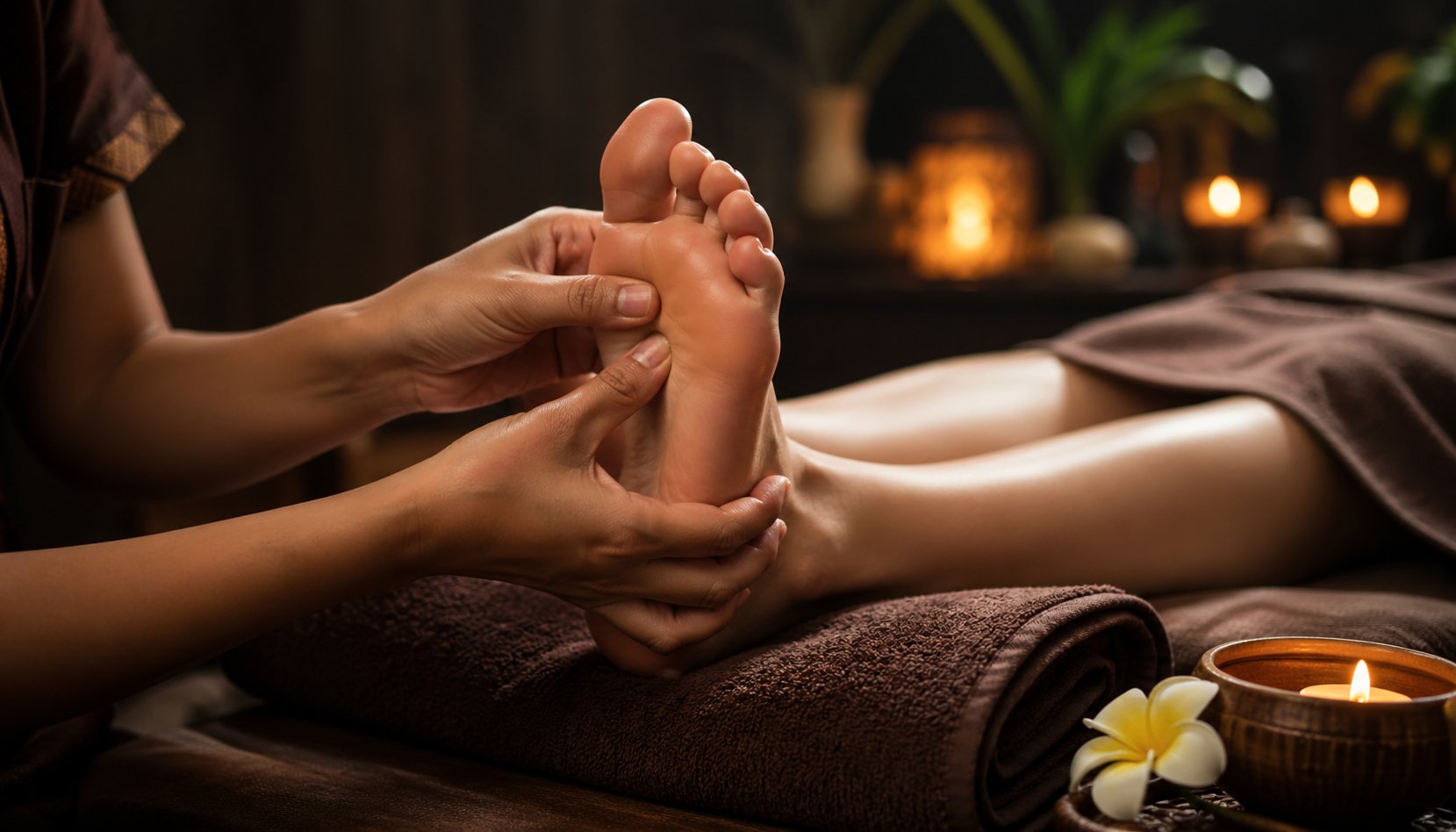
Pressure applied to specific points on the feet thought to correspond to different organs and systems. Many people find it deeply relaxing and helpful for managing stress and fatigue during treatment.
Specialist massage and treatment for surgical scars. Can help with mobility, sensitivity, and the psychological impact of visible scarring after major surgery.
Adapted massage for cancer patients can help with pain, anxiety, fatigue and sleep. Always ensure your therapist is trained in oncology massage.
Used by many cancer patients to help manage treatment side effects including nausea, pain and fatigue. Some NHS trusts now offer this alongside conventional treatment.
Particularly useful for managing pain and maintaining mobility after surgery or where cancer has affected the musculoskeletal system.
Hair loss and colour change from treatment can affect how you look and feel. Simple tinting treatments can make a meaningful difference to confidence and how you present yourself to the world.
A free UK charity programme offering workshops to help cancer patients manage the visible side effects of treatment, including skin, hair and makeup guidance.
A growing body of evidence supports mindfulness practice in helping cancer patients manage anxiety, improve sleep and maintain a sense of control and calm.
The psychological impact of a stage 4 diagnosis is enormous and often underestimated. Professional support — whether through the NHS, Macmillan or private — can be genuinely life-changing.
Adapted yoga for cancer patients focuses on breath, gentle stretching and relaxation. Particularly useful when more vigorous exercise isn't possible.
I've tried this indicates something I have personal experience of. All other therapies are listed for awareness only and are not personal recommendations. Please consult your medical team before trying any complementary therapy alongside your treatment.