I want to talk about something that might sound trivial compared to everything else I've written about — tumour sizes, survival statistics, drug combinations. But I don't think it's trivial at all. In fact it might be one of the most important things I've done for my wellbeing since diagnosis.
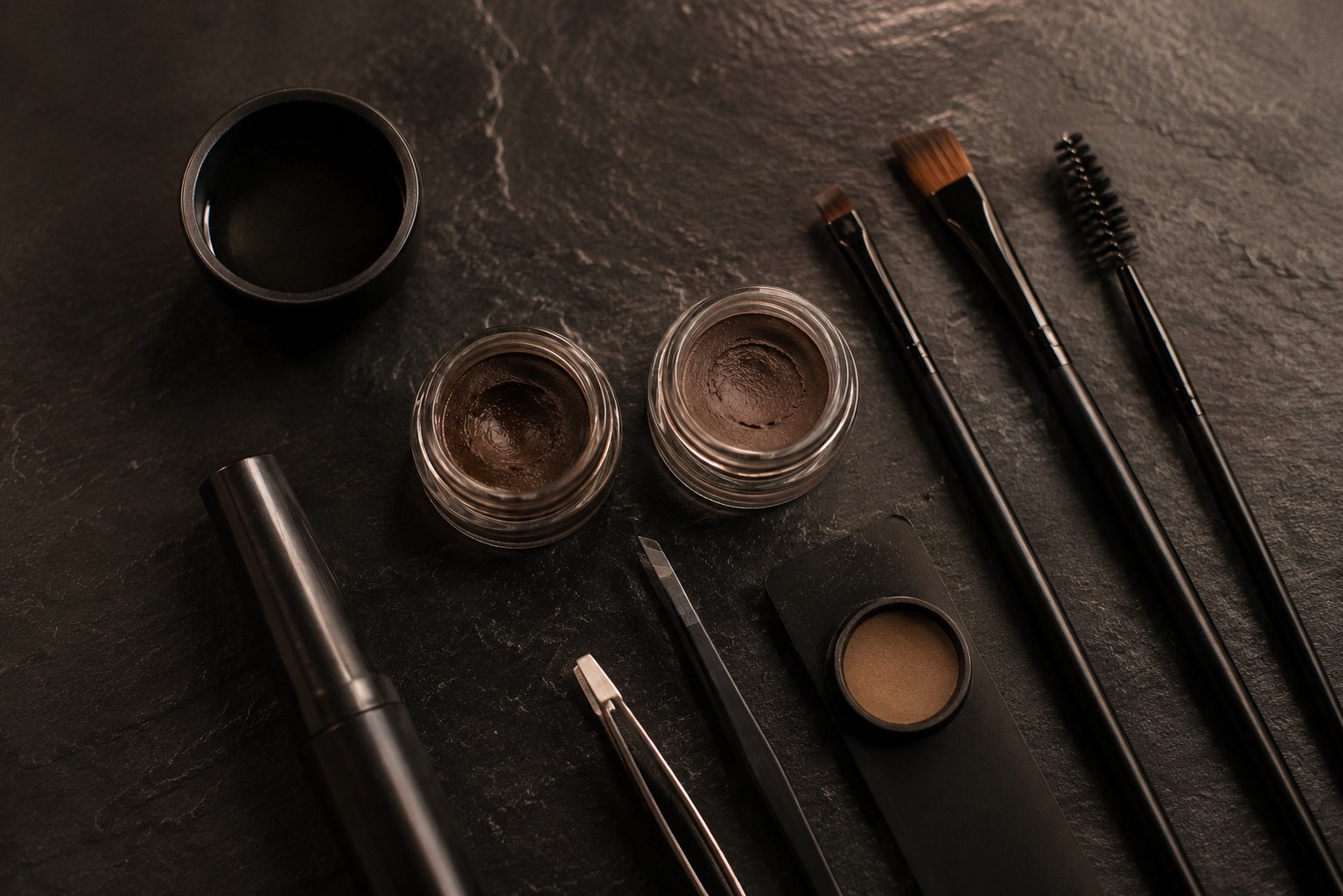
I'm talking about getting my eyebrows and eyelashes tinted. Bear with me.
Going white
The combination of Nivolumab and Cabozantinib bleached every hair on my body completely white. Not grey — white. I'd been going grey naturally anyway so I wasn't precious about it, but white was a different thing entirely. Along with the paleness that comes with treatment, I started to look genuinely ill. Really pale, washed out, like someone who was seriously unwell.
The problem was — I actually felt OK. Not great, not how I used to feel, but OK. Manageable. And there was a real disconnect between how I felt on the inside and what was staring back at me from the mirror. I didn't want to look ill. I didn't want every person I encountered to immediately clock that something was wrong.
There's something quietly demoralising about looking in the mirror and seeing illness looking back at you when you don't feel as bad as you look. It wears you down in a way that's hard to explain.
Catherine's idea
Catherine found a colour shampoo for my hair which actually worked pretty well — it took the starkness off the white and made things look a bit more normal on top. But the pallor remained. The features I'd always had — reasonably dark brows, dark lashes — had gone completely, and without them my face looked flat and unwell.
Catherine suggested getting my brows and lashes tinted. Which, being a man, I was not immediately enthusiastic about. I resisted for a while. But eventually the mirror won the argument and I agreed.
Jo and the hesitant appointment
Our friend Jo does lashes professionally and she kindly offered to help. Even she was a little hesitant — she'd never worked on hair that had been bleached by treatment before and wasn't sure how it would take. So she was careful, took her time, and went steady.
As it turned out, she said the colour took like normal hair rather than grey hair, which is usually more stubborn. So that was a relief. I lay there throughout the appointment somewhere between curious and deeply unconvinced, wondering what I'd agreed to.
Then she finished and handed me the mirror.
Staring back at me was a bushy-browed man who appeared to be wearing mascara. My first thought was — what have I done?!
Jo reassured me that it would calm down after a couple of washes. That it always looks more dramatic immediately after. She was absolutely right. Within a couple of days it had settled into something that looked completely natural.
The difference it made
I cannot overstate how much of a difference it made. I went from looking really pale and unwell to looking — not quite like my old self, but genuinely much better. Close enough that people started commenting on it. People who had seen me at my palest started saying I looked really well. And they meant it — they could see a difference.
The irony wasn't lost on me. On the inside, my situation hadn't changed. The cancer was still there, the treatment was still doing its thing. But looking in the mirror and not seeing illness reflected back at me changed something in how I felt about myself each day.
I even stopped using the coloured shampoo. Just the brows and lashes were enough to make the difference.
My old life is gone. The person I see in the mirror now is different to the person I saw before August 2024. But that doesn't mean I have to see someone who looks ill. That part I can do something about.
Why this matters — and why it's part of the charity
I was lucky. I have Catherine, who noticed and suggested it. I have Jo, who knew what she was doing and was willing to try something she hadn't done before. Not everyone going through cancer treatment has those people around them. And not everyone can afford treatments that sit outside what the NHS provides.
This is exactly why No Time For Beige exists. The feeling of looking in the mirror and recognising yourself — of not seeing illness every time you catch your reflection — is not a vanity. It's a genuine, measurable part of how you cope. It affects your mood, your confidence, your willingness to engage with the world rather than withdraw from it.
We want to fund that feeling for other people in Swale who are going through what I went through. Because everyone deserves to feel like themselves, even on the hard days.
No Time For Beige funds wellness and beauty treatments for stage 4 cancer patients in the Swale area of Kent. If you or someone you know could benefit, get in touch — or help us fund more treatments by donating.
Support the cause— Nick