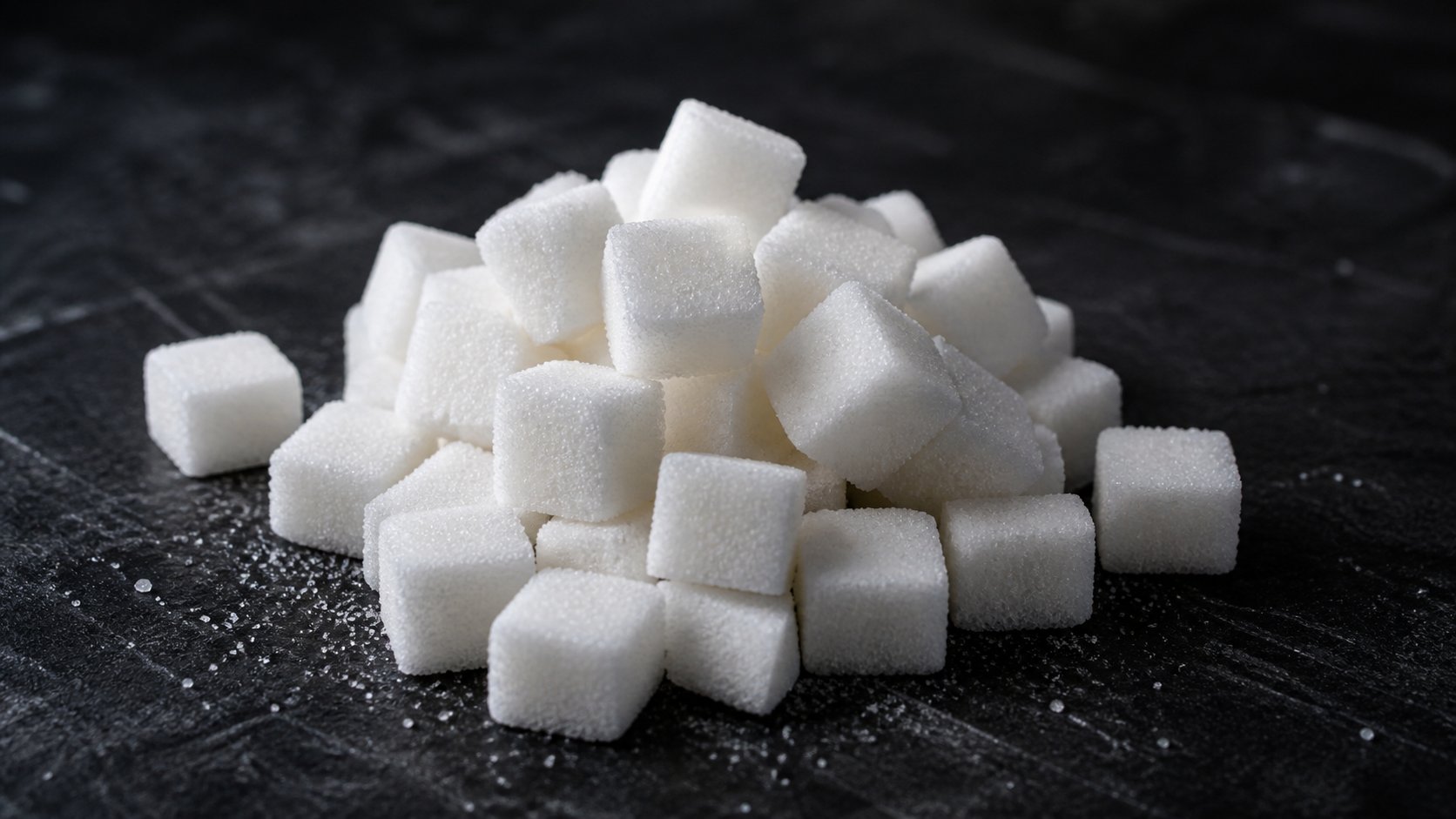
This is one of the most important things I've changed — and also one of the most misunderstood. When I tell people I've cut down on sugar because cancer feeds on glucose, the response is usually one of two things. Either they've heard this and nod along, or they look at me like I've gone a bit alternative.
So let me be clear from the start. This is not a cure. Cutting sugar will not starve your cancer into submission on its own. I am not a doctor and I am not claiming otherwise. But it is one tool in a toolbox — and when the stakes are what they are, you use every tool you have.
Why cancer loves glucose
Here's the science, as simply as I can put it. Normal healthy cells produce energy efficiently using oxygen — a process called cellular respiration. Cancer cells are different. They preferentially use glucose — sugar — as their energy source, and they do it in a much less efficient way that requires a lot more of it. This is known as the Warburg effect, first observed by the scientist Otto Warburg back in the 1920s and still very much a subject of active research today.
What this means in practical terms is that consistently high blood sugar levels — caused by a diet high in sugar and refined carbohydrates — creates an environment where cancer cells have a plentiful, ready supply of the fuel they need to grow. You're not causing cancer by eating sugar. But you may be making it easier for existing cancer cells to thrive.
I'm not trying to starve my cancer. I'm trying to make my body as inhospitable an environment for it as I possibly can. There's a difference.
The keto approach — and why it's not for everyone
The logical extreme of this thinking is the ketogenic diet — extremely low carbohydrate, very high fat, almost no sugar at all. The idea is that when you deplete your body's glucose stores completely, it switches to producing ketones as an alternative fuel source. Healthy cells can run on ketones. Cancer cells, because of the way they're wired, largely cannot.
There are genuine stories of people with cancer who have tried keto and seen remarkable results. I take those stories seriously. But keto is an extremely demanding diet to maintain — it requires almost complete elimination of carbohydrates, which rules out fruit, most vegetables, bread, pasta, rice, and many other staples. It can be hard on the body and is not suitable for everyone, particularly those undergoing active treatment.
It's not the approach I've chosen. But the principle behind it has absolutely informed what I do.
What I do instead
Rather than going full keto, I try to keep my blood glucose levels as stable as possible through a combination of what I eat and intermittent fasting. The fasting side of things I'll cover in a separate post — but the dietary side means cutting out added sugar wherever I can, avoiding refined carbohydrates that spike blood sugar rapidly, and eating plenty of fibre which slows glucose absorption and keeps levels steadier.
Wholemeal and sourdough bread instead of white. Sweet potato instead of regular potato as much as possible. Plenty of vegetables, legumes and whole grains. And very little in the way of processed sugar — sweets, chocolate, biscuits, cakes. Not because I'm being miserable about it, but because I genuinely don't miss them the way I thought I would.
The hidden sugar problem
One of the things that genuinely shocked me when I started paying attention to this was how much sugar is hidden in foods that have no business containing it. It's not just the obvious things — sweets, fizzy drinks, chocolate. It's everywhere.
Low fat yoghurt
Often packed with added sugar to compensate for the removed fat and improve the taste.
Breakfast cereals
Even "healthy" granolas and bran flakes can contain significant amounts of added sugar per serving.
Flavoured sauces
Pasta sauces, ketchup, sweet chilli, teriyaki — sugar is frequently one of the main ingredients.
Protein bars
Marketed as healthy, often containing as much sugar as a chocolate bar — plus sweeteners on top.
Fruit juices
Even pure fruit juice delivers a rapid sugar hit without the fibre that slows absorption in whole fruit.
Bread
Many commercial white and brown loaves contain added sugar. Read the label — it's often surprising.
The rule I try to follow is simple — read the ingredients, not just the headline claims. If sugar, glucose, fructose, dextrose, maltose or syrup appears near the top of the list, put it back.
What happened when I cut it down
Something I didn't expect — fruit got sweeter. Not the fruit itself, which obviously hasn't changed. But my perception of it. When you're not constantly overwhelming your taste buds with refined sugar, the natural sweetness of a grape, a strawberry, a slice of watermelon becomes extraordinary. Better, genuinely, than any chocolate bar I can remember.
A handful of red grapes is now genuinely one of my favourite things to eat. That would have sounded mad to me two years ago.
There's also a practical reason why chocolate specifically doesn't appeal to me anymore — the treatment makes my mouth feel thick and claggy, and the texture of chocolate is actually quite unpleasant now. So the universe has helpfully removed that temptation entirely.
The other thing worth mentioning is the fruit fibre point. Whole fruit contains fibre, which slows the absorption of its natural sugars and prevents the kind of rapid glucose spike you'd get from fruit juice or a sugary snack. So eating a piece of fruit is genuinely very different metabolically from drinking a glass of juice, even though both contain fruit sugar. The fibre makes all the difference.
One tool among many
I want to come back to where I started. This is not a cure. Managing blood sugar is one piece of a much bigger picture — alongside the medication, the polyphenol-rich diet, the exercise, cutting alcohol, the intermittent fasting, the meditation. No single thing is going to beat this on its own.
But I believe — and the research increasingly supports — that creating the least hospitable possible internal environment for cancer cells to thrive in is worth doing. Every tool that helps achieve that is worth using. This is one of them.
Try it yourself
Scan any food barcode and instantly see its sugar content, processing level and nutritional breakdown with our free food scanner.
Scan your food →As always — this is my personal experience and the research I have found compelling. It is not medical advice. Please speak to your own oncologist or a registered dietitian before making significant changes to your diet, particularly if you are undergoing cancer treatment.
— Nick