Everyone has a picture in their head of what cancer treatment looks like. The one they've seen in films and on TV. Hair loss. Nausea. A drip in a ward somewhere. That picture is chemotherapy, and it's real — but it's not my picture. I'm on immunotherapy, and while in many ways I'm grateful for that, it comes with its own set of things nobody quite prepares you for.
A year in, I want to write about what it actually feels like. Not the clinical version. The real one.
What I'm actually on
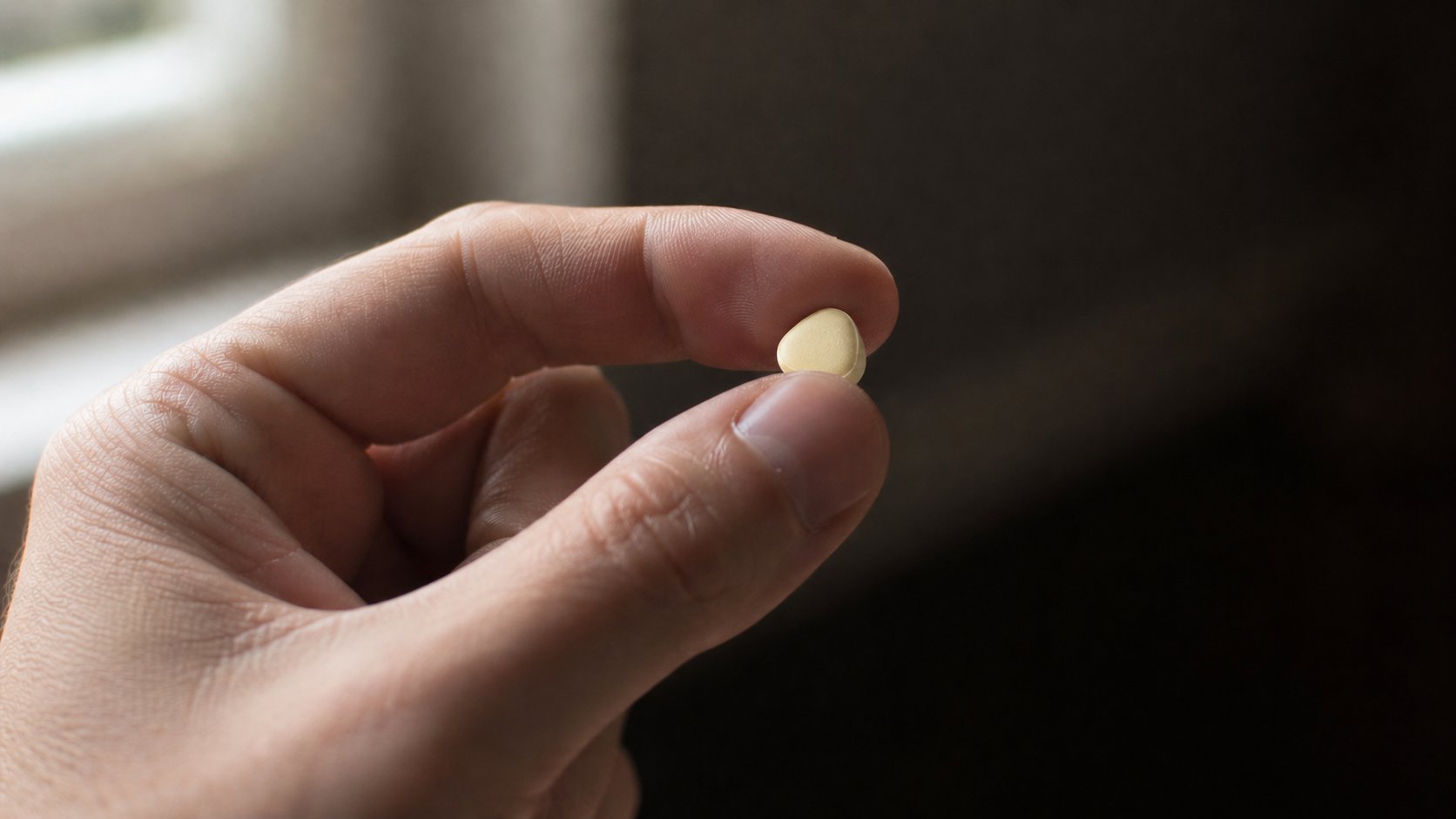
My treatment is a combination of two drugs — Nivolumab, which is given as an infusion at the hospital, and Cabozantinib, which is a tablet I take once a day at home. Together they're a powerful combination, and together they've had some significant effects on my body. Most visibly, they've bleached every bit of hair on my body completely white. Eyebrows, eyelashes, the lot. It's one of those side effects nobody really warns you about — it doesn't hurt, but it does change how you look, and that matters more than people might expect.
What a treatment day actually looks like
On treatment days I go in, have the infusion, and come home and have a nap. That's become my routine and it works well. What I've found is that outside of treatment days, the fatigue that a lot of people talk about hasn't really been a major issue for me. I don't nap much at all on normal days. I feel pretty much like myself — a slightly different version of myself, but myself nonetheless.
Most days are genuinely OK. I function, I get on with things, I live my life. And that matters enormously.
The things that do catch me out
If I overdo it — and I mean genuinely push too hard — my back starts aching or my feet start hurting. My body has a way of telling me when I've done enough, and I've learned to listen to it rather than fight it. That's been one of the bigger adjustments, if I'm honest. I'm not someone who's naturally inclined to slow down.
The dry skin is probably the most constant daily reminder that my body is working hard. It's all over — and when it gets bad it can crack and bleed. My gums bleed every morning when I brush my teeth. These aren't dramatic things, but they're relentless, and relentless is its own kind of tiring.
The battery analogy
The best way I've found to describe it is this: I have a battery, same as everyone else. Mine is just a bit smaller than it used to be, and smaller than most people's. It charges and it depletes, I just have to be a bit more conscious of where it's at. Some days I have plenty of charge. Some days I have less. The trick is not burning through it all at once and then wondering why I'm struggling.
I think of it like having a smaller fuel tank. You just have to fill it up more often and plan your journeys a bit more carefully.
But here's the thing
All of it — the white hair, the dry skin, the bleeding gums, the careful pacing — all of it is manageable. And I can manage it because I know it's needed. I know these drugs are doing something. The results have shown that. Lung tumours that were measurable are now too small to measure. The remaining tumour has started to break down. The disease is currently stable.
When you know the treatment is working, the side effects feel like a price worth paying. Not a small price — but a fair one.
I'll keep writing about this as we go. Because if any of it is useful to someone else sitting where I was sitting six months ago, wondering what all this is actually going to feel like — then that's exactly why I'm doing it.
— Nick